Transparency First
How CardOptimizer Works
CardOptimizer is a rule-based decision engine, not a credit card blog. We apply deterministic bank policies to your profile to predict approval likelihood before you apply.
Quick Navigation
Jump to any rule to learn how it works
Issuer Rules (7)
Family Rules (13)
Bonus Rules (2)
Common Rules (1)
How Recommendations Work
CardOptimizer is a logic-based filtering tool, not a financial advisor. It does not predict whether a bank will approve you. It checks whether publicly documented issuer rules would block your application or disqualify you from a welcome bonus.
Credit card approvals depend on many factors that this tool does not evaluate, including credit score, income, debt-to-income ratio, and internal bank risk models. CardOptimizer only addresses the rule-based eligibility layer — the set of deterministic policies that issuers enforce regardless of creditworthiness.
Important: No approval guarantee
An "eligible" result means no known blocking rules apply — it does not mean you will be approved. An "ineligible" result means a documented rule appears to block your application — it does not guarantee denial, as issuers occasionally make exceptions.
Design principles
- ✓Deterministic logic over heuristic guesses
- ✓Transparent reasoning over black-box output
- ✓Preventing wasted applications over maximizing rewards
- ✓Conservative estimates over aggressive claims
What this tool is not
- ✗Not financial advice or credit counseling
- ✗Not a credit score or approval predictor
- ✗Not affiliated with any card issuer or bank
- ✗Not a substitute for reading issuer terms yourself
Every Rule, Verified
Eligibility rules interact in non-obvious ways, and one wrong assumption can cost you a hard inquiry. Every rule in CardOptimizer is tested against structured scenarios covering edge cases, date boundaries, and cross-rule interactions.
Date-Locked Testing
Time-based rules use fixed-date scenarios so the same test produces the same result regardless of when it runs.
Edge Case Regression
Product-changed cards, authorized user accounts, and missing dates are captured as permanent scenarios. Once a bug is fixed, it stays fixed.
Cross-Rule Verification
When rules share data like bonus history or wallet status, changes in one rule can affect another. Automated verification catches these ripple effects.
All Rules Explained
We’ve implemented 21 major eligibility rules. Each is explained in detail below.
Issuer Rules
Enforced by specific banks across all their cards
Chase 5/24 Rule
Issuer: Chase
📌 What it does
Most Chase credit cards are subject to the 5/24 rule. If you have opened 5 or more personal credit cards (from any issuer) in the past 24 months, Chase is generally observed to decline your application. This includes cards from any bank — not just Chase. Cards are counted based on account opening date, not approval date.
💡 Why it exists
Chase uses the 5/24 rule to limit approvals for applicants who rapidly open multiple cards for signup bonuses. It acts as a velocity control mechanism to reduce bonus abuse and acquisition costs.
✅ How to satisfy
You generally need to be under 5/24 at the time of application. Cards fall off your count exactly 24 months after their opening date. Some business cards (especially from Chase and Amex) typically do not add to your 5/24 count, but they may still require you to be under 5/24 for approval. Authorized user accounts usually appear in your 5/24 count, but can sometimes be removed through reconsideration if you are not financially responsible for the account.
Eligibility Requirements
Under 5 personal cards in 24 months
Counts all issuers, not just Chase. Must be under the limit at time of application.
24-month rolling window
Cards drop off exactly 24 months after their opening date. Wait for old cards to age out.
Business cards excluded from count
Most business cards (Chase, Amex) do not add to your 5/24 count, though they may still require you to be under 5/24.
📝 Example



You opened 3 cards in 2024 (January, May, September) and 2 in 2025 (February, March). You are currently at 5/24. Once the January 2024 card reaches 24 months old (January 2026), your count drops to 4/24 and you would likely become eligible for most Chase cards again.
💡 Key takeaway
5/24 counts new personal credit cards opened in the last 24 months, regardless of issuer. Based on observed data, you generally need to be under that limit at the time of application to be approved for most Chase cards.
Community-reported pattern. Not an official issuer policy.
Amex Lifetime Bonus Rule
Issuer: American Express
📌 What it does
Current Amex welcome-offer terms are product-specific. Verified Platinum, Gold, Hilton, and Business Delta offers may consider whether you have or have had the named products, including through product changes, and not only prior bonuses.
💡 Why it exists
American Express reserves welcome offers for applicants who meet each target offer's current named-product scope and may also consider account history and other factors at its discretion.
✅ How to satisfy
Check the exact target offer, record every prior product in a product-change lineage, and do not infer a family-wide block. Targeted NLL offers may use different terms.
Eligibility Requirements
Prior named-product ownership
Record every named product you have or have had, even without a prior bonus.
Offer-specific scope
Do not infer a family-wide block beyond products named in the target terms.
NLL and issuer discretion
Targeted terms may differ, and Amex makes the final offer decision.
📝 Example
Amex
Gold Card
Amex
Platinum Card
🚫 Prior named product — offer may be unavailable
If you have or have had a product named by the target offer, Amex may not make that welcome offer available even if no prior bonus was received.
✅ Different product — follow the target scope
Product scope is directional: current Gold terms name Platinum products, while current Platinum terms do not name Gold.
💡 Key takeaway
Use the target offer's named-product scope; product changes count as prior ownership and issuer discretion still applies.
Community-reported pattern. Not an official issuer policy.
Amex Card Limit (Credit Card Soft Cap)
Issuer: American Express
📌 What it does
American Express generally limits how many revolving credit cards you can hold at the same time. Most cardholders are approved for around five Amex credit cards, although the exact number can vary by profile. Charge cards (such as Platinum, Gold, and Green) are evaluated separately and typically do not count toward this credit card limit because they do not have preset spending limits.
💡 Why it exists
This is an internal risk control policy. Amex manages overall credit exposure by limiting the number of open revolving credit lines rather than strictly limiting the total number of Amex cards.
✅ How to satisfy
If you are denied for 'too many credit cards,' you may need to close an existing Amex credit card or move credit limits between accounts. In many cases, charge cards can still be opened because they are evaluated independently.
Eligibility Requirements
~5 credit card soft cap
Amex generally limits revolving credit cards to around 5 at a time. Exact limit may vary by profile.
Charge cards separate
Platinum, Gold, Green and other charge cards do not count toward the credit card limit.
Close or reallocate to free slot
If at capacity, close an existing Amex credit card or request a credit limit reallocation.
📝 Example
🚫 Credit cards — at capacity (5/5)
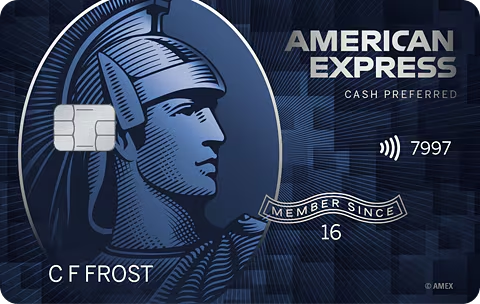
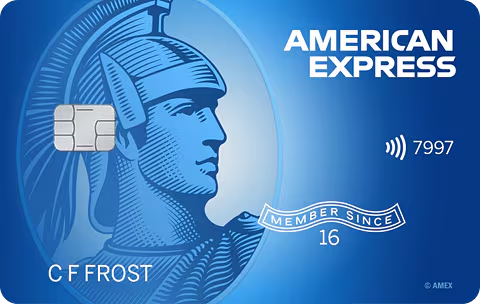
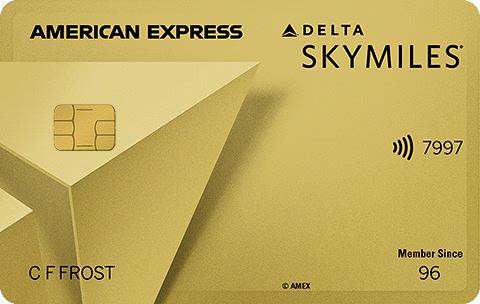
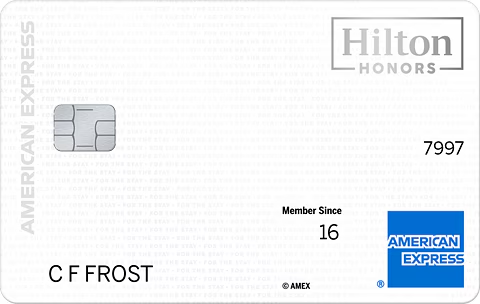
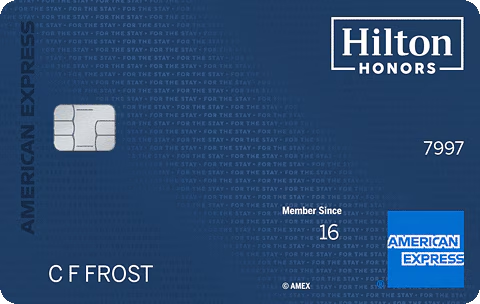
Applying for another credit card (e.g., Marriott Bonvoy Brilliant) may be declined.
✅ Charge cards — still available
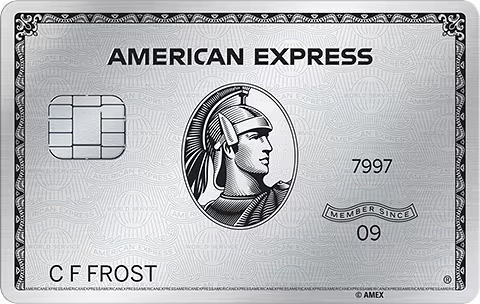


Charge cards are evaluated separately — they often remain available even at credit card capacity.
💡 Key takeaway
Amex does not strictly cap total cards — it mainly limits revolving credit cards. Charge cards are usually evaluated separately.
Community-reported pattern. Not an official issuer policy.
Citi Application Velocity
Issuer: Citi
📌 What it does
Citi is widely observed to limit how frequently you can be approved for new cards. Most applicants are approved for no more than one Citi card within about 8 days, and no more than two Citi cards within about 65 days. These are not officially published rules, but consistent approval patterns seen across many applications.
💡 Why it exists
Citi uses velocity controls to reduce rapid account openings and manage risk exposure. Rather than a long-term restriction like Chase 5/24, this rule controls short-term application frequency.
✅ How to satisfy
After a Citi approval, it is generally safest to wait at least 8 days before applying again. After two approvals, waiting about 65 days from the most recent approval significantly improves approval odds.
Eligibility Requirements
1 card per 8 days
After a Citi approval, wait at least 8 days before applying again.
2 cards per 65 days
After two Citi approvals, wait about 65 days from the most recent approval before the next application.
📝 Example
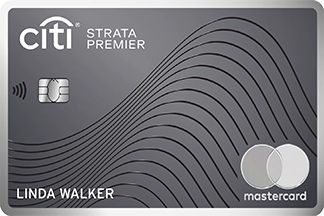
Mar 1 ✅
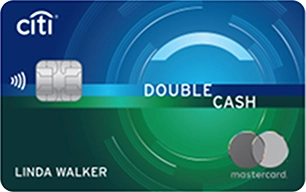
Mar 10 ✅
🚫 Next card
~May 14
You are approved for the Citi Strata Premier on March 1st and the Citi Double Cash on March 10th. Even though more than 8 days have passed since the second approval, you will likely need to wait about 65 days from March 10th before applying for another Citi card.
💡 Key takeaway
Citi does not use a long-term count rule like 5/24. Instead, it mainly restricts how quickly you can open multiple cards in a short period.
Community-reported pattern. Not an official issuer policy.
Citi 48-Month Bonus Rule
Issuer: Citi
📌 What it does
Many Citi cards appear to restrict welcome bonus eligibility for 48 months after you last received a bonus on that same card. In most current Citi terms, the 48-month clock is based on when you received the previous signup bonus — not when you opened or closed the account. Some Citi card families, particularly ThankYou points cards, may include cross-card language that limits bonuses across related products.
💡 Why it exists
Citi uses a long bonus restriction window to discourage repeat bonus cycling. The 48-month timeframe is one of the longest among major issuers.
✅ How to satisfy
Check the exact bonus eligibility language in the current offer terms. In most cases, you generally need to wait 48 months from when you received your previous bonus on that card before becoming eligible again. Closing the card does not automatically reset the timer unless explicitly stated in the offer terms.
Eligibility Requirements
48-month bonus cooldown
Must wait 48 months from when you last received a bonus on the same card product.
Clock from bonus receipt date
The timer starts when the bonus posts to your account, not when you opened or closed the card.
Some cross-card language
Certain Citi card families (e.g., ThankYou cards) may restrict bonuses across related products.
📝 Example
Bonus: Jan 2022
✅ Eligible again
Jan 2026
You received a Citi Strata Premier bonus in January 2022. You would generally not be eligible for another Strata Premier bonus until January 2026 — 48 months after the bonus was awarded. Whether you kept the card open or closed it does not typically change the countdown.
💡 Key takeaway
Citi’s 48-month rule is usually based on when you last received a bonus, not when you opened or closed the card. Always read the current offer language, as eligibility wording can vary by product.
Community-reported pattern. Not an official issuer policy.
Bank of America 2/3/4 Rule
Issuer: Bank of America
📌 What it does
Bank of America is widely observed to limit how many new personal credit cards you can open within rolling time windows. The widely observed limits are: no more than 2 new BofA personal cards in any 60-day window, no more than 3 in any 12-month window, and no more than 4 in any 24-month window. These are commonly referred to as the 2/3/4 rule.
💡 Why it exists
Bank of America uses these velocity controls to limit rapid account openings and manage credit risk. Unlike Chase 5/24, which counts cards from all issuers, the 2/3/4 rule only counts Bank of America personal cards. These limits are widely observed but not officially published by the bank.
✅ How to satisfy
Space your Bank of America personal card applications to stay within the 2/60, 3/12, and 4/24 windows. Business cards are generally exempt from these limits and do not count toward the personal card caps.
Eligibility Requirements
2 cards per 60 days
No more than 2 new BofA personal cards in any rolling 60-day window.
3 cards per 12 months
No more than 3 new BofA personal cards in any rolling 12-month window.
4 cards per 24 months
No more than 4 new BofA personal cards in any rolling 24-month window.
📝 Example

Jan 5 ✅
Jan 20 ✅
🚫 Next card
~Mar 6
You open the Premium Rewards Elite on January 5th and the Customized Cash on January 20th. You have now reached the 2/60 threshold — a third application within 60 days would likely be declined. Even though you are still under 3/12 and 4/24, you would generally need to wait until the first approval ages past 60 days (~March 6th) before applying for another BofA personal card.
💡 Key takeaway
The 2/3/4 rule has three overlapping windows (60 days, 12 months, 24 months). BofA business cards typically do not count toward the personal 2/3/4 limits.
Community-reported pattern. Not an official issuer policy.
Discover 2-Card Limit
Issuer: Discover
📌 What it does
Discover appears to limit cardholders to a maximum of 2 credit cards at any given time. If you already hold 2 Discover cards, your application for a third is generally expected to be denied until you close one. Additionally, Discover appears to enforce a 12-month cooldown between opening new cards. All Discover card types count toward this limit, including student cards and secured cards.
💡 Why it exists
Discover uses the 2-card cap and 12-month cooldown to manage credit risk exposure per customer. Unlike issuers that restrict based on velocity or total cards across banks, Discover simply limits the number of concurrent products. Because Discover offers Cashback Match (doubling all rewards in the first year), the cooldown also prevents rapid cycling of first-year bonuses.
✅ How to satisfy
To open a new Discover card when you already hold 2, you generally need to close an existing Discover card first. After closing, wait for the account to fully process before reapplying. For the 12-month cooldown, you generally need to wait at least 12 months from the opening date of your most recent Discover card before applying for another.
Eligibility Requirements
Max 2 cards at once
Discover appears to limit cardholders to 2 credit cards at any given time. Close one to open another.
12-month cooldown between openings
Wait at least 12 months from your most recent Discover card opening before applying for another.
All card types count
Student, secured, and standard Discover cards all count toward the 2-card limit.
📝 Example
Discover
it Cash Back
Card 1 ✅
Discover
it Chrome
Card 2 ✅
🚫 3rd card
Close one first
You opened Discover it Cash Back in January 2025 and Discover it Chrome in February 2026 (after the 12-month cooldown). You now hold 2 Discover cards. If you want the Discover Miles card, you would generally need to close one of your existing cards first and wait for the 12-month cooldown from your last opening.
💡 Key takeaway
Based on observed data, Discover appears to enforce a cap of 2 credit cards per person and a 12-month cooldown between openings. All Discover cards count — including student, secured, and standard products.
Community-reported pattern. Not an official issuer policy.
Card Family Rules
Special restrictions for specific card families
Sapphire Exact-Product Bonus Review
Family: Chase Sapphire
📌 What it does
For a personal Sapphire card, the exact card is unavailable while you currently have that product open. If you previously held that exact product or received its new cardmember bonus, the bonus may not be available at Chase's discretion. A different personal Sapphire product does not cross-block, and Sapphire Reserve for Business is separate.
💡 Why it exists
Chase now evaluates Sapphire offers by exact product and reserves discretion over repeat-bonus eligibility. That requires separating whether the card itself is available from whether its welcome bonus may be offered.
✅ How to satisfy
Do not apply for the same personal Sapphire product while it is still open. If you previously held the exact target product or received its bonus, review the secure application terms and any eligibility message before submitting. There is no published fixed 48-month family clock.
Eligibility Requirements
Check the exact open product
A personal Sapphire card is unavailable while that same product is already open.
Review exact-product history
Prior ownership or a prior bonus on the target product may make its welcome bonus unavailable.
Keep products separate
Preferred and personal Reserve do not cross-block; Business Reserve has its own history.
📝 Example
Prior product / bonus

✅ No cross-block
You previously received a Sapphire Preferred bonus and now want Sapphire Reserve. Preferred history does not itself block the Reserve offer. If you reapply for Preferred instead, Chase may decide that the Preferred bonus is unavailable.
💡 Key takeaway
Sapphire eligibility is now exact-product and discretionary: current ownership can affect card availability, while prior ownership or a prior bonus may affect only the welcome bonus.
Community-reported pattern. Not an official issuer policy.
Hilton Family Rule
Family: Amex Hilton
📌 What it does
Each Amex Hilton card (Honors, Surpass, Aspire, Business) has its own independent per-product lifetime bonus. Hilton cards do not appear to block each other across tiers — there is no observed ascending-order restriction or cross-card blocking. Application order does not appear to determine eligibility. However, standard American Express restrictions still apply: lifetime language on the same product, upgrade history counting as prior ownership, and occasional welcome-offer ineligibility pop-ups.
💡 Why it exists
Unlike Delta or Membership Rewards families, Amex does not appear to enforce a tier hierarchy on Hilton cards. Each Hilton product is treated as a completely separate product with its own independent bonus eligibility. This makes Hilton one of the most straightforward Amex card families for collecting multiple welcome bonuses.
✅ How to satisfy
You can earn a bonus on every Hilton card in any order — Aspire first, then Surpass, then Honors — and earn all bonuses. The only restrictions are: (1) you can only earn each specific card's bonus once (per-product lifetime), (2) upgrading/product-changing to a Hilton card counts as prior ownership (forfeiting its bonus), and (3) Amex may show a pop-up warning that you're ineligible for the welcome offer, which is based on your overall Amex relationship.
Eligibility Requirements
Per-product lifetime bonus
Each Hilton card has its own lifetime language. You can only earn each specific card's bonus once.
Any application order OK
Unlike Delta or MR families, there is no ascending-order restriction. Apply in any order you prefer.
Upgrade forfeits bonus
Product-changing to a Hilton card counts as prior ownership — you would lose eligibility for that card's welcome bonus.
📝 Example
✅ Any order works
You apply for Aspire in 2022, Surpass in 2023, Honors in 2024, and Business in 2025 — all four bonuses are yours. Order does not matter. Each Hilton card is independent.
⚠️ What is still blocked
Same-card repeat: You got the Hilton Honors bonus in 2020. You reapply in 2025 — approved but no bonus (lifetime language on same product).
Upgrade trap: You upgrade your Honors to Surpass via product change. Amex now counts you as having "had" Surpass — you would likely never earn the Surpass welcome bonus.
Pop-up: Amex may show a pop-up at application blocking the welcome offer based on your overall account history.
💡 Key takeaway
Hilton cards do not appear to block each other across tiers. They only appear to block repeat bonuses on the exact same card product.
Community-reported pattern. Not an official issuer policy.
JetBlue Family Rule
Family: Barclays JetBlue
📌 What it does
Barclays is observed to allow only one JetBlue personal card at a time — JetBlue Card, JetBlue Plus, or JetBlue Premier. You generally need to close or product-change your current JetBlue personal card before applying for a different one. The JetBlue Business card is separate and does not appear to be affected by this restriction. Additionally, bonus eligibility appears to reset after 24 months.
💡 Why it exists
Barclays enforces a one-personal-card-per-family policy for JetBlue products. This prevents customers from holding multiple tiers simultaneously and encourages product changes rather than new applications. The 24-month bonus cooldown discourages frequent churning.
✅ How to satisfy
If you want a different JetBlue personal card, close or product-change your current one first. For bonus eligibility, wait 24 months from when you last received a JetBlue bonus. The business card can be held alongside any personal JetBlue card.
Eligibility Requirements
One JetBlue personal card at a time
Barclays allows only one JetBlue personal card. Close or product-change before applying for another.
Close before reapplying
You must close or product-change your current JetBlue personal card first. Wait for the 24-month bonus cooldown.
Business card exempt
The JetBlue Business card is separate and can be held alongside any personal JetBlue card.
📝 Example


Community-reported pattern. Not an official issuer policy.
Wyndham Family Rule
Family: Barclays Wyndham
📌 What it does
Barclays is observed to allow only one Wyndham personal card at a time. You generally need to close or product-change your current Wyndham personal card before applying for a different one. The Wyndham Business card is separate and does not appear to be affected by this restriction. Additionally, bonus eligibility appears to reset after 24 months.
💡 Why it exists
Barclays enforces a one-personal-card-per-family policy for Wyndham products. This prevents customers from holding multiple personal Wyndham tiers simultaneously. The 24-month bonus cooldown discourages frequent churning while still allowing repeat bonuses.
✅ How to satisfy
If you want a different Wyndham personal card, close or product-change your current one first. For bonus eligibility, wait 24 months from when you last received a Wyndham bonus. The business card can be held alongside any personal Wyndham card.
Eligibility Requirements
One Wyndham personal card at a time
Barclays allows only one Wyndham personal card. Close or product-change before applying for another.
Close before reapplying
You must close or product-change your current Wyndham personal card first. Wait for the 24-month bonus cooldown.
Business card exempt
The Wyndham Business card is separate and can be held alongside any personal Wyndham card.
📝 Example

Barclays
Wyndham Earner Biz
Community-reported pattern. Not an official issuer policy.
Delta Family Rule
Family: Amex Delta
📌 What it does
Personal Delta terms name higher personal tiers, producing a Gold → Platinum → Reserve order. Current Business Delta terms use same-product/previous-version ownership language and do not name other Business Delta tiers. Product changes count as having had the target.
💡 Why it exists
Each target offer defines its own named-product scope, and Amex may also consider account history and other factors at its discretion.
✅ How to satisfy
Preserve Gold → Platinum → Reserve order for personal Delta. Business Delta does not use that ladder under current verified terms; record exact same-product and previous-version ownership.
Eligibility Requirements
Personal ascending order
Apply personal Delta Gold → Platinum → Reserve.
Product changes count
Record every product held through an upgrade or downgrade.
Business product-specific terms
Current Business Delta offers do not name the other Business tiers as blockers.
📝 Example
✅ Personal Delta order
For personal cards, apply Gold → Platinum → Reserve if you want each available welcome offer.
🚫 Product-change ownership
Obtaining the target by upgrade or product change means you have had it and may make its welcome offer unavailable.
🚫 Business Delta is different
A higher Business Delta tier does not itself block a lower Business Delta offer under current verified terms; same-product/previous-version history and issuer discretion still matter.
Community-reported pattern. Not an official issuer policy.
Membership Rewards Ascending Order
Family: Amex Personal MR (Green / Gold / Platinum)
📌 What it does
Amex personal Membership Rewards cards (Green, Gold, Platinum) appear to follow an ascending-order rule. Opening a higher-tier card first has been observed to block bonuses on lower-tier cards. For example, if you open Platinum first, you would likely lose eligibility for the Gold and Green bonuses. Additionally, upgrading (product-changing) to a higher tier appears to permanently forfeit that card's welcome bonus.
💡 Why it exists
Amex appears to enforce tier ordering to encourage customers to work up through the product lineup rather than cherry-picking the top card. The upgrade trap prevents gaming via product changes — Amex wants new applications for each tier.
✅ How to satisfy
Apply for personal MR cards in ascending order: Green first, then Gold, then Platinum. Never upgrade to a higher MR tier — always apply as a new card. Each tier's bonus appears to be earnable only once per lifetime.
Eligibility Requirements
Ascending order required
Apply in order: Green first, then Gold, then Platinum. Opening a higher tier first blocks lower-tier bonuses.
Upgrade forfeits bonus
Product-changing to a higher MR tier permanently forfeits that card's welcome bonus. Always apply as new.
Business cards exempt
Business Gold and Business Platinum are separate products and do not follow this ascending-order restriction.
ℹ️ Note
This ascending-order rule currently applies to personal MR cards only. Business MR cards (Business Gold, Business Platinum) are generally treated as separate products and are not confirmed to follow this restriction.
📝 Example
✅ Correct order
You apply for Green in 2023, then Gold in 2024, then Platinum in 2025 — all as new applications. You earn all three welcome bonuses.
🚫 Wrong order
You apply for Platinum first. You earn the Platinum bonus, but you are now likely permanently ineligible for Gold and Green bonuses.
Community-reported pattern. Not an official issuer policy.
Blue Cash Ascending Order
Family: Amex Blue Cash (Everyday / Preferred)
📌 What it does
Amex Blue Cash cards appear to follow an ascending-order rule. Opening Blue Cash Preferred first has been observed to block the Blue Cash Everyday bonus. Additionally, upgrading (product-changing) from Everyday to Preferred appears to permanently forfeit the Preferred welcome bonus.
💡 Why it exists
Amex applies the same tier-ordering restriction to its cashback lineup. Preferred is the higher tier, so opening it first appears to block the Everyday bonus.
✅ How to satisfy
If you want bonuses on both cards, apply for Blue Cash Everyday first, then Blue Cash Preferred. Never upgrade from Everyday to Preferred — apply as a new card to preserve the bonus.
Eligibility Requirements
Ascending order required
Apply for Blue Cash Everyday first, then Blue Cash Preferred. Opening Preferred first blocks the Everyday bonus.
Upgrade forfeits bonus
Upgrading from Everyday to Preferred via product change permanently forfeits the Preferred welcome bonus.
📝 Example
✅ Correct order
You apply for Blue Cash Everyday first and earn its $150 bonus. Later you apply for Blue Cash Preferred as a new application and earn $200 more. Both bonuses are yours.
🚫 Wrong order
You apply for Blue Cash Preferred first. You earn the Preferred bonus, but you are now likely permanently ineligible for the Blue Cash Everyday bonus.
Community-reported pattern. Not an official issuer policy.
Marriott Amex Ascending Order
Family: Amex Marriott Bonvoy (Bevy / Brilliant)
📌 What it does
Amex Marriott Bonvoy consumer cards appear to follow an ascending-order rule. Opening the Brilliant (higher tier) first has been observed to block the Bevy bonus. This is separate from the Marriott cross-issuer rule — even if the cross-issuer cooldown is clear, the ascending-order restriction still applies. Business cards are not affected.
💡 Why it exists
Amex applies tier-ordering restrictions to its Marriott Bonvoy lineup. Brilliant is the premium tier, so opening it first appears to block the Bevy bonus. This prevents customers from cherry-picking the top card and then collecting lower-tier bonuses.
✅ How to satisfy
If you want bonuses on both Amex Marriott consumer cards, apply for Bevy first, then Brilliant. The Marriott Business card is independent and can be applied for in any order.
Eligibility Requirements
Ascending order required
Apply for Bonvoy Bevy first, then Bonvoy Brilliant. Opening Brilliant first blocks the Bevy bonus.
Business card independent
The Marriott Bonvoy Business card is separate and can be applied for in any order.
📝 Example
Amex
Bonvoy Bevy
Amex
Bonvoy Brilliant
✅ Correct order
You apply for Bonvoy Bevy first and earn its 85,000-point bonus. Later you apply for Bonvoy Brilliant as a new application and earn 100,000 more points. Both bonuses are yours.
🚫 Wrong order
You apply for Bonvoy Brilliant first. You earn the Brilliant bonus, but you are now likely permanently ineligible for the Bevy bonus.
Community-reported pattern. Not an official issuer policy.
United Family Rule
Family: Chase United
📌 What it does
Chase United cards use a 24-month welcome bonus cooldown for the same product. If you received a bonus on the same United card within the last 24 months, you are not eligible for that card's welcome bonus. A bonus on a different United product does not block it.
💡 Why it exists
The restriction is product-specific rather than family-wide. Chase tracks the last bonus received on the exact United card, so Explorer, Quest, Club, Gateway, and business products have independent welcome bonus histories.
✅ How to satisfy
Wait 24 months from when you last received a bonus on the same United card. Track the bonus receipt date, not the application or account-opening date.
Eligibility Requirements
24-month per-product cooldown
Wait 24 months from your last bonus on the same United card before earning that welcome bonus again.
Cross-product bonuses allowed
An Explorer bonus does not block a Quest bonus. Each United product has an independent bonus history.
Personal and business products separate
United business products are evaluated independently from personal United products.
📝 Example

Community-reported pattern. Not an official issuer policy.
Southwest Eligibility Rules
Chase Southwest personal + business
📌 What it does
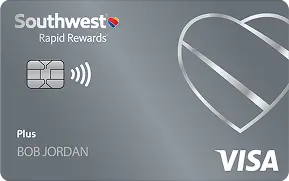
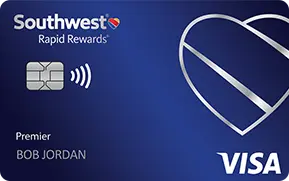
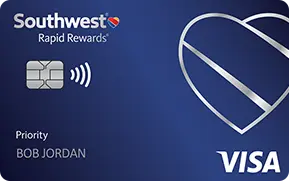
Official Chase terms make Plus, Premier, and Priority unavailable if you currently hold any Southwest personal card or received a new-cardmember bonus on any Southwest personal card within the last 24 months. Business and employee cards are excluded. Each Southwest business card instead has a separate 24-month exact-product restriction on its new-cardmember bonus offer.
💡 Why it exists
The written terms use two distinct scopes. The personal restriction governs product availability across the personal family. The business restriction governs only the bonus offer for the exact business product; it does not create a cross-business or personal restriction and does not state that product approval is unavailable. Both 24-month clocks start when the bonus is received.
✅ How to satisfy
For a personal card, you must not currently hold any Southwest personal card and must be at least 24 months past your most recent Southwest personal bonus receipt date. For a business-card bonus offer, you must not currently hold that exact business card and must be at least 24 months past the bonus receipt date for that exact product.
Eligibility Requirements
Personal product availability
Any open Southwest personal card makes all three personal products unavailable; business and employee cards are excluded.
Personal-family 24-month clock
Any Southwest personal new-cardmember bonus blocks all personal products until the exact 24-month anniversary of receipt.
Business bonus offers are product-specific
Each business bonus offer checks current ownership and the last bonus for that exact business product only; this is not an approval restriction.
📝 Example
Community-reported pattern. Not an official issuer policy.
IHG Personal-Card Family Rule
Family: Chase IHG personal cards
📌 What it does
Under current Chase terms, IHG Premier and IHG Traveler form one personal-card family. Current holders of any IHG personal card cannot obtain either personal product, and a new-cardmember bonus received on any IHG personal card within the prior 24 months restricts both. IHG Business is excluded and separate from this personal-family rule.
💡 Why it exists
The terms use one family-wide scope for the two personal products rather than separate Premier and Traveler clocks. Ownership and bonus receipt are distinct checks, and neither check includes IHG Business.
✅ How to satisfy
You must have no current open IHG personal card and be at least 24 months past the exact date your latest IHG personal new-cardmember bonus was received. The restriction ends on the exact 24-month anniversary. If ownership is uncertain, correct the card status in your wallet; if the bonus date is uncertain, enter the exact posting date. Passing these checks does not guarantee approval or a bonus, so verify the secure application terms.
Eligibility Requirements
No current IHG personal card
Any open IHG Premier or IHG Traveler blocks both personal products. Confirm uncertain ownership in your wallet.
One family-wide 24-month bonus clock
The latest bonus received on either personal product controls both products.
IHG Business excluded
IHG Business is separate and does not affect personal ownership or the personal-family 24-month clock.
Use the exact receipt date
The boundary is the exact 24-month anniversary of bonus receipt. Enter the posting date if your history is uncertain.
📝 Example


Community-reported pattern. Not an official issuer policy.
Amazon Visa Current-Holder Rule
Family: Chase Prime Visa and Amazon Visa
📌 What it does
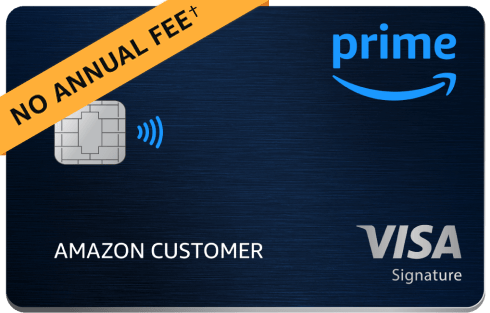
Official Chase offer terms make both Prime Visa and Amazon Visa unavailable if you currently have either consumer card. This is a current-holder product-availability rule, not a published 24-month former-holder cooldown.
💡 Why it exists
Both product pages use the same cross-product wording: the card is available only if you do not currently have an Amazon Visa or Prime Visa. Amazon business cards are separate products, and an authorized-user card does not establish that you are the cardmember.
✅ How to satisfy
You must have no open Prime Visa or Amazon Visa account in your own name. Confirm uncertain account statuses in your wallet. Closed former-holder accounts do not trigger this current-holder rule, though Chase still controls final approval and whether a returning customer qualifies as a new cardmember for the gift card.
Eligibility Requirements
No current consumer Amazon Visa
An open Prime Visa or Amazon Visa makes both consumer products unavailable. Confirm any unknown account status in your wallet.
Former holders have no published fixed timer
A closed account does not trigger this current-holder rule; the public wording does not state a 24-month cooldown.
Business and authorized-user cards excluded
Amazon business cards are separate, and an authorized-user card does not establish primary cardmember ownership.
📝 Example
Chase
Amazon Visa
Community-reported pattern. Not an official issuer policy.
Ink No-Fee Bonus Review
Family: Chase Ink Cash and Ink Unlimited
📌 What it does
Checks prior ownership or bonus history for Ink Cash or Ink Unlimited. Current terms say the bonus may not be available after either no-annual-fee Chase business card; this is issuer discretion, not a fixed cooldown or application denial.
💡 Why it exists
Ink Cash and Ink Unlimited use the same no-annual-fee Chase for Business bonus scope.
✅ How to satisfy
Enter the exact prior Ink product and any product-change lineage. Complete history can still result in issuer review because Chase makes the final bonus decision.
📝 Example


Community-reported pattern. Not an official issuer policy.
Marriott Cross-Issuer Rule
Brand: Marriott (Chase + Amex)
📌 What it does
Current Marriott offer terms use product-specific eligibility matrices, not one universal Chase-vs.-Amex rule. Bold and Boundless share one Chase legacy-consumer scope; Bountiful has a separate exact-product scope; Amex Bonvoy Business, Brilliant, and Bevy each name different prior-card groups. Depending on the target, the terms separately test current product availability, 30-day ownership, 90-day approval or acquisition, and 24-month new-card or upgrade bonuses.
💡 Why it exists
Each offer names its own list of prior Marriott products and its own event type. Ownership, approval or acquisition, new-card bonuses, and upgrade bonuses are not interchangeable. Ritz-Carlton matters for some Amex targets but is not a universal blocker.
✅ How to satisfy
Select the exact target product and verify every clause named in that offer. A result for one Marriott card must not be reused for another.
📝 Example
Chase
Bonvoy Boundless
Chase
Bonvoy Bountiful
Chase
Bonvoy Bold
Amex
Bonvoy Brilliant
Amex
Bonvoy Bevy
Amex
Bonvoy Business
Eligibility is target-specific: the six advertised products do not share one universal matrix. Verify the secure application terms before applying.
Community-reported pattern. Not an official issuer policy.
Capital One Personal Bonus Rules
Personal cards: product-specific 48-month scopes
📌 What it does
Capital One's current personal-card bonus terms use product-specific 48-month scopes. Venture X, VentureOne, Savor, and Quicksilver each check the same product. Venture is the exception: its terms check prior bonuses on either Venture or Venture X.
💡 Why it exists
The written terms do not create one universal Capital One personal-card family. Product identity matters: SavorOne does not block Savor, QuicksilverOne does not block Quicksilver, and VentureOne does not cross-block Venture or Venture X under the current public wording.
✅ How to satisfy
Wait until the exact 48-month anniversary of the relevant bonus receipt. For Venture, check both Venture and Venture X bonus history; for Venture X, VentureOne, Savor, and Quicksilver, check only the exact target product.
Eligibility Requirements
48-month exact-product rules
Venture X, VentureOne, Savor, and Quicksilver each use the bonus history for that exact product.
Venture names Venture X
A Venture application checks both prior Venture and Venture X bonuses received within 48 months.
Business cards use a separate review
Capital One Business terms publish no fixed 24-month timer; prior business-cardholders may instead face issuer review.
📝 Example





Community-reported pattern. Not an official issuer policy.
Bonus Rules
Generic Lifetime Bonus Rule
Applies to: Various cards
📌 What it does
A fallback check for cards with explicit lifetime bonus language that aren't covered by issuer-specific rules. If a card's terms state you can only receive the bonus once per lifetime, this rule flags it.
💡 Why it exists
Many smaller issuers and co-branded cards include lifetime language without a specific time window. This generic rule catches those cases.
✅ How to satisfy
Avoid applying for cards you've previously held if they have lifetime language in the terms. Always read the offer terms for 'one bonus per lifetime' language.
Eligibility Requirements
One bonus per lifetime
If the card's terms include lifetime language, you can only receive the welcome bonus once — ever.
Check offer terms
Always read the specific offer terms to confirm whether lifetime language applies to the card you're considering.
📝 Example
Community-reported pattern. Not an official issuer policy.
Ink Exact-Product Bonus Review
Applies to: Ink Preferred and Ink Premier
📌 What it does
Checks whether you have ever had the exact Ink Preferred or Ink Premier product. Current terms make the repeat bonus discretionary without publishing a fixed cooldown or application denial.
💡 Why it exists
Preferred and Premier each use their own exact-product prior-card history rather than the shared no-fee Ink scope.
✅ How to satisfy
Enter the exact prior product and product-change lineage. Chase still makes the final bonus decision even when your history is complete.
📝 Example
Community-reported pattern. Not an official issuer policy.
Capital One Business Bonus Review
Applies to: current Capital One business cards
📌 What it does
Capital One Business terms say the welcome bonus may not be available to existing or previous Capital One Business cardholders. They do not publish a fixed 24-month cooldown.
💡 Why it exists
This is discretionary bonus language across Capital One Business cardholder history, not a deterministic timer and not a documented application-approval denial.
✅ How to satisfy
Record prior Capital One Business cards accurately and review the exact offer shown before applying. Complete history can still produce an issuer-review result because Capital One makes the final bonus decision.
📝 Example




Capital One
Venture Business
Community-reported pattern. Not an official issuer policy.
Bonus Cooldown Rule
Applies to: Various cards
📌 What it does
Some cards enforce a waiting period between welcome bonuses instead of a lifetime restriction. Chase United and Disney cards use a 24-month same-product rule; Citi commonly uses 48 months, and U.S. Bank ranges up to 60 months.
💡 Why it exists
Issuers want to prevent frequent churning while still allowing repeat customers. A cooldown period strikes a balance between bonus protection and customer acquisition.
✅ How to satisfy
Wait the specified cooldown period from when you last received a bonus on that card or family. Track your bonus receipt dates, not just application dates. Each card's specific cooldown is shown on its detail page.
Eligibility Requirements
Wait the cooldown period
Each card has a specific cooldown (24, 48, or 60 months). You must wait the full period before earning the same bonus again.
Clock from bonus receipt date
The timer starts when the bonus posts to your account, not when you opened or closed the card.
📝 Example
Cooldown Period by Issuer
| Issuer | Cooldown | Notes |
|---|---|---|
| Chase | 24m | United/Disney 24m per product; Southwest personal product-family 24m/business exact-product bonus offer 24m; IHG personal-card family 24m; Business excluded/separate |
| Citi | 48m | Family-level enforcement |
| Capital One | 48m | 48m exact-product personal bonuses; Venture also checks Venture X; business bonuses use issuer review with no fixed timer |
| Barclays | 24m | JetBlue, Wyndham, Hawaiian, Frontier |
| U.S. Bank | 24–60m | 60m for Altitude Connect/Go |
| Bank of America | 24m | Standard per-product |
| Wells Fargo | 24m | Conservative estimate |
| Amex | Lifetime | Per-product lifetime language |
Community-reported pattern. Not an official issuer policy.
Common Rules
Duplicate Ownership Rule
Applies to: Most cards
📌 What it does
Most banks are observed to decline applications for the same exact card product you already hold. Some appear to require you to close an account before reapplying for the same card.
💡 Why it exists
Banks want to prevent duplicate accounts that complicate servicing and reduce their risk exposure to a single customer on identical products. It also prevents bonus gaming through multiple accounts.
✅ How to satisfy
If you already have the card open, you are generally unable to apply again unless the card's policy explicitly allows it (very rare). Close the existing account first if you want to reapply.
Eligibility Requirements
Cannot hold same card twice
Most banks decline applications for the exact same card product you already hold.
Close first before reapplying
Close the existing account and wait a few weeks before reapplying for the same card.
📝 Example
Chase
Freedom Unlimited (Have)
Chase
Freedom Unlimited (Dup)
Community-reported pattern. Not an official issuer policy.
Why We Need Your Data
To apply these rules accurately, we need you to provide your card opening dates, bonus history, and current holdings.
By default, your data is stored locally in your browser using localStorage. If you sign in, your profile is also synced to our secure cloud database (Supabase) so you can access it across devices.
Privacy first
- ✓Data stored locally by default (localStorage)
- ✓Optional cloud sync when signed in
- ✓No third-party analytics on your eligibility data
- ✓You can reset or delete your profile anytime
Disclaimer
This tool provides rule-based eligibility analysis for educational purposes only. It does not constitute financial advice, credit counseling, or a recommendation to apply for or avoid any financial product. Eligibility results are estimates based on publicly documented issuer policies and community-reported data points. They do not account for credit score, income, or other underwriting criteria. Results do not guarantee approval or denial. You are solely responsible for your application decisions. Consult a qualified financial advisor before making credit decisions.
CardOptimizer is an independent project and is not affiliated with, endorsed by, or sponsored by any credit card issuer, bank, or financial institution. See our Trust Center for full methodology and disclosure details.
Rules on this page are reviewed monthly against official issuer terms and community data sources. Last reviewed: February 2026.
Ready to check your eligibility?
See which cards you can actually get approved for right now.